
Call Us
Call Us
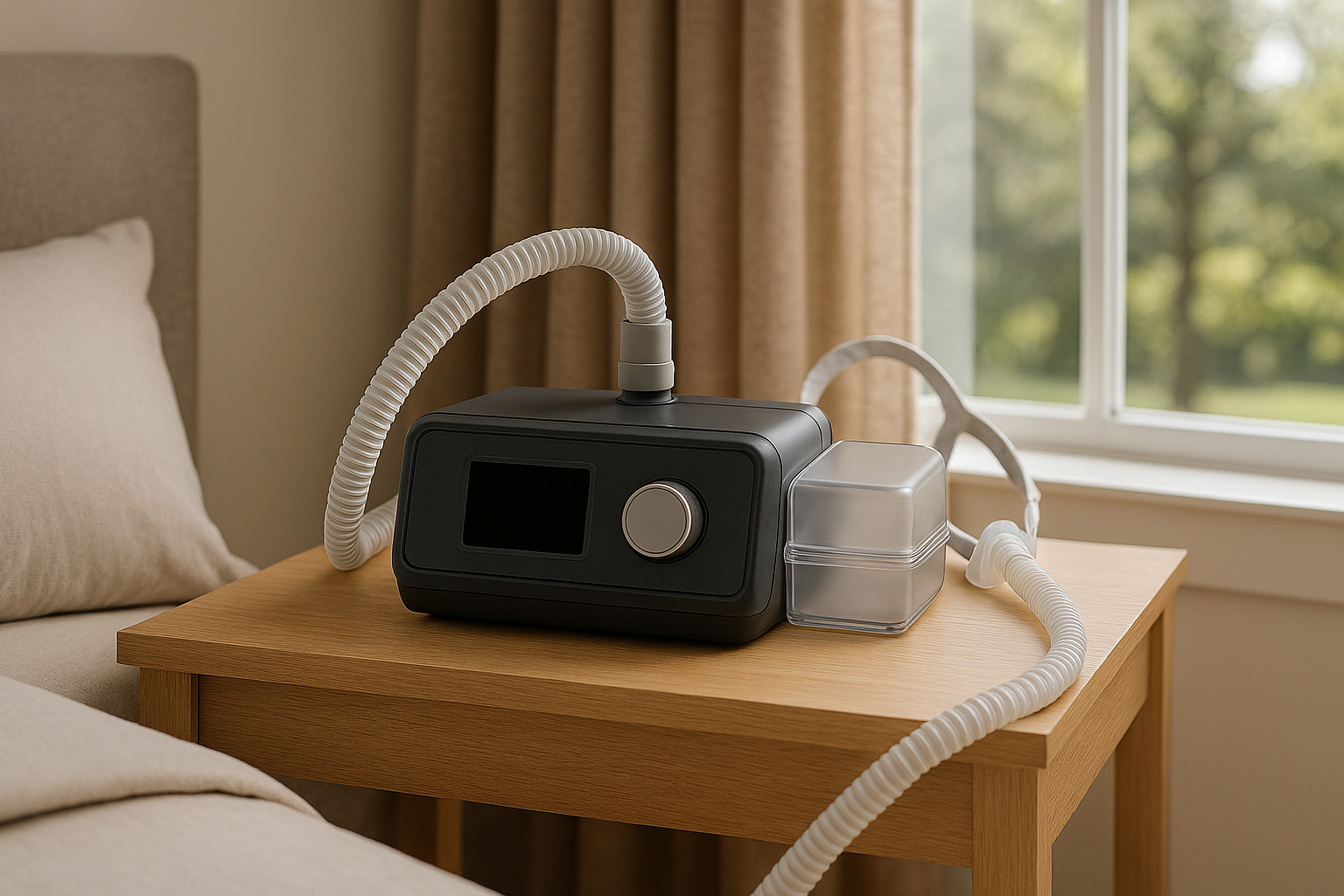
Many people who use CPAP machines eventually wonder whether they can donate or pass it on to someone else. The intention is often generous, helping someone save money or supporting a loved one who may be struggling with sleep apnea symptoms.
However, sharing CPAP devices is not as simple as handing over a household appliance. CPAP machines are prescription medical devices, and informal transfers can create hygiene risks, safety issues, and even legal complications.
This guide explains what you need to know before you pass on a CPAP machine, including legal considerations in South Africa, CPAP hygiene and safety risks, and safer alternatives such as donation or professional refurbishment.
A CPAP (Continuous Positive Airway Pressure) machine is designed to treat obstructive sleep apnea by delivering a steady stream of pressurised air to keep the airway open during sleep. This prevents breathing interruptions and helps maintain healthy oxygen levels overnight.
Each CPAP machine is typically set up according to an individual’s prescription. This includes pressure levels, ramp settings, humidification, and the type of mask used. Because treatment is personalised, using a machine that was configured for someone else can result in ineffective therapy, discomfort, or worsening symptoms.
CPAP machines are not “one-size-fits-all” devices. Personal use matters because comfort, safety, and clinical effectiveness depend on correct calibration and professional oversight.
In South Africa, CPAP machines are regulated as medical devices and usually require a prescription. Whether new, used, sold, or donated, they should be supplied with appropriate medical authorisation.
If you give a CPAP machine to someone else informally, you bypass medical and regulatory controls. This can expose both the giver and the recipient to potential liability if complications occur. Insurance cover, warranties, and supplier support may also become invalid once ownership is transferred outside approved channels.
While donating feels helpful, CPAP machine regulations exist to protect patient safety. Always confirm that any transfer complies with local medical device rules and that the recipient has a valid prescription and clinical guidance.
One of the biggest concerns with sharing CPAP devices is hygiene. CPAP machines are used close to the face and airway for many hours every night, allowing moisture and biological material to accumulate over time.
Key CPAP machine safety risks include:
Masks, tubing, and humidifier chambers can harbour bacteria and viruses that normal household cleaning may not fully eliminate.
Internal components may develop microbial layers that are invisible but potentially harmful to the next user.
A machine set for one person’s breathing needs may deliver too much or too little pressure to another, reducing treatment effectiveness and possibly worsening sleep apnea symptoms.
Older CPAP machines may have degraded seals, sensors, or motors that affect airflow accuracy and safety.
Because of these risks, healthcare professionals generally discourage direct hand-to-hand sharing.
Although informal sharing is risky, there are controlled situations where it may be safer to donate a CPAP machine:
Professional Refurbishment: Machines cleaned, sanitised, tested, and recalibrated by accredited technicians.
Recognised Donation Programmes: Some hospitals, sleep clinics, and charities accept CPAP machines for safe redistribution.
Recipient Medical Oversight: The recipient should have a prescription and professional setup before use.
Using structured, regulated channels ensures CPAP hygiene, calibration, and compliance with medical standards.
Instead of informal transfers, consider safer alternatives:
These options help protect both the original owner and the recipient.
Before you decide to pass on a CPAP machine, ask:
Has the device been professionally cleaned and sanitised?
Will the recipient receive a prescription and proper setup?
Does the transfer meet CPAP machine regulations?
Are the warranty and insurance implications understood?
Is formal donation safer than informal sharing?
This checklist reduces legal, hygiene, and treatment risks.
While the idea of helping someone by sharing equipment is kind, giving a CPAP machine to someone else without proper controls can be unsafe. CPAP hygiene, pressure calibration, and legal compliance are essential for effective treatment.
Always prioritise medical oversight, hygiene, and legal compliance. By following safe procedures, CPAP machines can continue to benefit those in need without putting anyone at risk.
Thinking of giving your CPAP machine to someone else? Consult a sleep specialist, follow professional cleaning and refurbishment guidelines, and explore accredited donation programs to keep it safe and legal.