
Call Us
Call Us
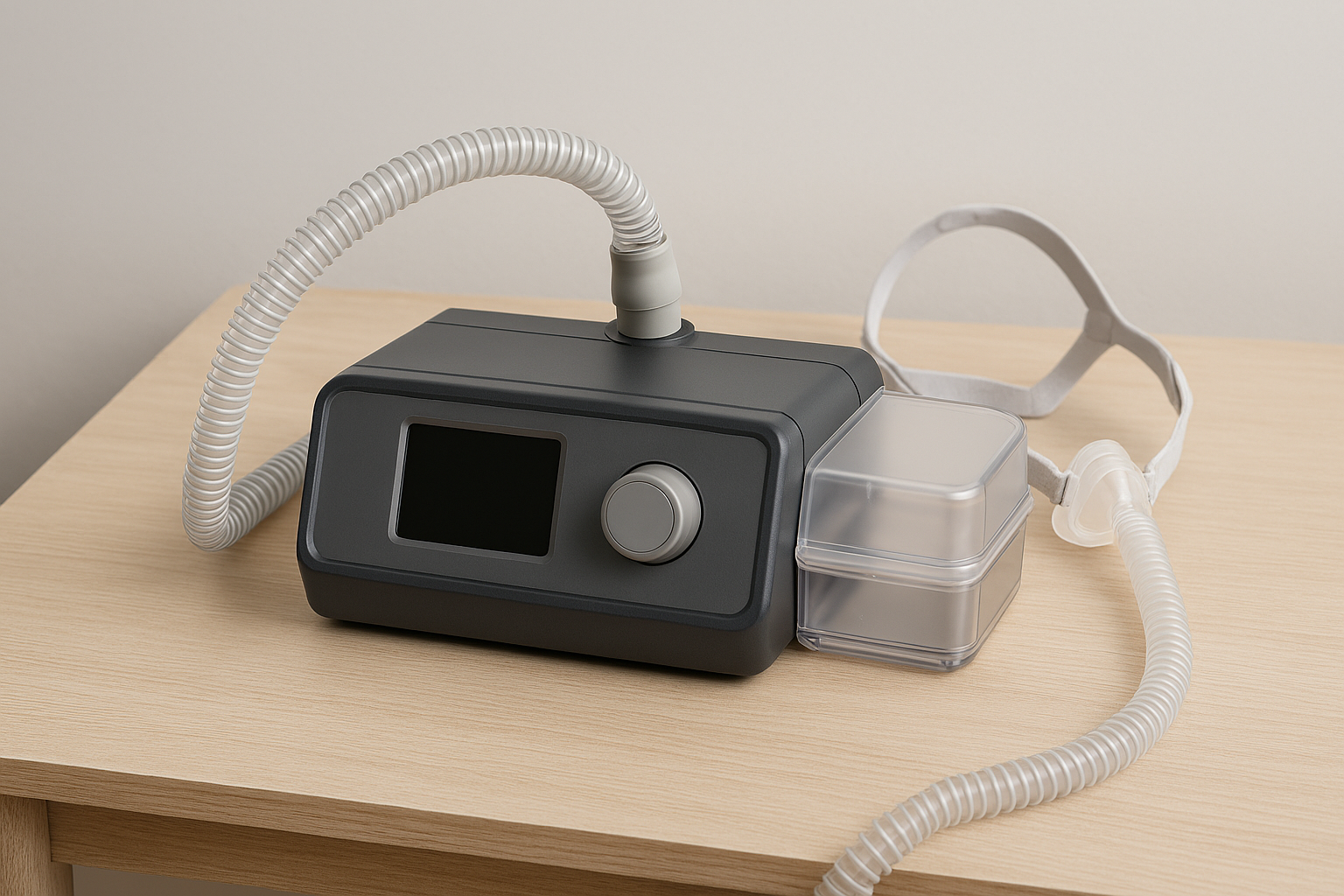
Buying a second-hand CPAP machine can seem like a practical way to save money, especially when starting CPAP therapy for obstructive sleep apnea. CPAP machines play an essential role in keeping the airway open during sleep, improving oxygen flow, reducing snoring, and supporting long-term health.
However, CPAP therapy is medical treatment, not just equipment. Safety, hygiene, and proper calibration are critical. A used CPAP machine that hasn’t been professionally handled can introduce health risks and compromise treatment effectiveness.
This guide explains whether you can safely use a second-hand CPAP machine, the risks involved, when a refurbished CPAP machine may be appropriate, and what alternatives to consider before making a decision.
A CPAP (Continuous Positive Airway Pressure) machine delivers a steady stream of pressurised air to prevent airway collapse during sleep. This reduces breathing interruptions, stabilises oxygen levels, and lowers the health risks associated with untreated sleep apnea.
Because CPAP therapy is a medical treatment, devices are normally prescribed after a sleep study. Settings such as pressure level, ramp time, humidification, and mask type are personalised to each patient’s airway needs.
Using a CPAP machine that isn’t correctly calibrated, hygienically maintained, or clinically approved can reduce therapy benefits and potentially worsen symptoms. Proper setup and oversight ensure comfort, safety, and long-term success.
In general, using a second-hand CPAP machine from informal sources is not recommended. Hygiene risks, unknown device history, and incorrect settings can all affect safety and treatment quality.
That said, not all used machines are equal. A refurbished CPAP machine may be safe when it is:
Professionally sanitised and disinfected
Mechanically tested and serviced
Recalibrated to deliver accurate pressure
Supplied through an authorised medical provider
Used with a valid prescription
Even with refurbishment, a CPAP machine must be configured specifically for the new user. The previous owner’s settings are unlikely to match another person’s breathing needs.
Before choosing a used CPAP machine, it’s important to understand the main risks.
CPAP machines operate in warm, moist environments. Masks, tubing, and humidifier chambers can trap moisture and biological material. Without professional CPAP machine cleaning, bacteria, mould, and residue may remain even if the device looks clean.
CPAP pressure is determined through a sleep study. Using another person’s settings can result in under-treatment, discomfort, poor sleep quality, or persistent apnea events.
Motors, sensors, seals, and internal airflow components wear down over time. Without service records, you cannot be sure the machine delivers stable, accurate pressure.
CPAP machines are regulated medical devices in South Africa and usually require a prescription. Buying informally may bypass compliance standards and void warranties or supplier support.
These risks explain why casual second-hand purchases are discouraged in clinical care.
A refurbished CPAP machine is different from a random second-hand device sold online or passed between individuals.
When refurbishment is done correctly, CPAP machine benefits may include:
Lower Cost: More affordable than buying new.
Professional Sanitisation: Internal and external components are disinfected and replaced where needed.
Performance Testing: Pressure delivery and electronics are checked for accuracy.
New Consumables: Masks, tubing, and filters are often replaced rather than reused.
Warranty or Support: Many suppliers provide limited guarantees for refurbished CPAP units.
For some patients, refurbished CPAP machines offer a balance between affordability and safety, provided they come from accredited suppliers.
Whether new or refurbished, think carefully before purchasing:
Prescription and Medical Advice: Always consult a sleep specialist or healthcare provider.
Supplier Credibility: Buy only from authorised medical equipment providers.
Hygiene Standards: Confirm professional CPAP machine cleaning and replacement of contact parts.
Calibration and Setup: Ensure pressure settings are adjusted specifically for you.
Warranty and After-Sales Support: Ongoing service matters for long-term therapy success.
Cost vs Value: Short-term savings should not compromise safety or treatment effectiveness.
Making an informed decision protects both your health and your investment.
If a used CPAP device doesn’t feel right, there are safer CPAP machine alternatives:
New CPAP Machines: Full hygiene assurance, updated technology, and warranty protection.
Rental or Trial Options: Useful for new users testing CPAP therapy before purchase.
Medical Aid or Insurance Support: Some plans help cover refurbished or rental devices.
Payment Plans: Financing can make new machines more accessible without compromising safety.
These options allow you to begin therapy responsibly without relying on informal second-hand sources.
Using an informal second-hand CPAP machine carries hygiene, performance, and legal risks. A properly refurbished CPAP from an accredited supplier may be safe, but only if it is professionally sanitised, correctly calibrated, and accompanied by a valid prescription.
CPAP therapy works best when devices are clean, accurate, and personalised. By prioritising safety, medical oversight, and reputable suppliers, you protect both your sleep and long-term health.
Thinking about a second‑hand CPAP machine? Talk with your sleep specialist, prioritise safety and hygiene, and choose accredited suppliers or alternatives that match your health needs.