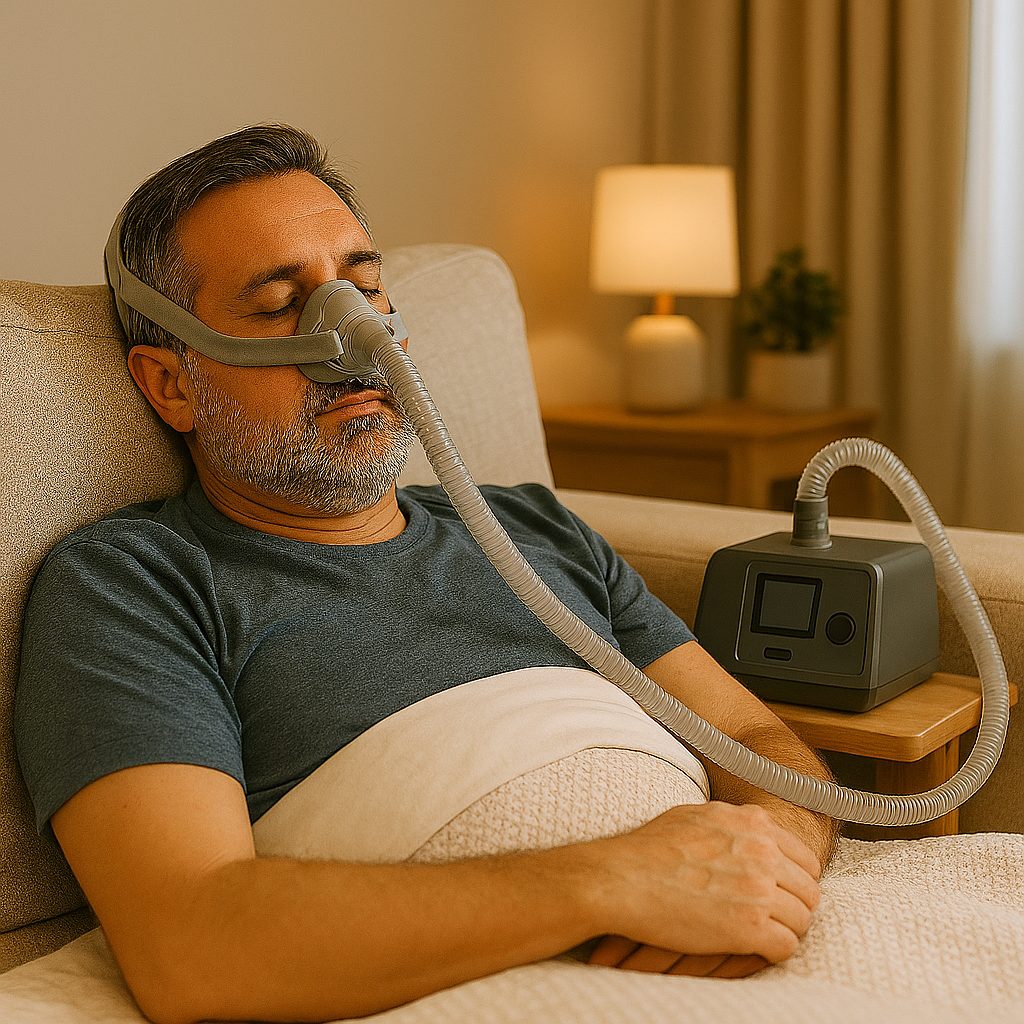
Starting Continuous Positive Airway Pressure (CPAP) therapy is an important step for anyone diagnosed with sleep apnea. A CPAP machine keeps your airway open while you sleep, improving oxygen flow and reducing the long-term health risks linked to untreated breathing disruptions at night.
One of the first practical decisions many patients face is whether to rent a CPAP machine or buy one outright. Each option has benefits and trade-offs depending on your health needs, budget, and lifestyle. This guide explains the differences between CPAP rental and buying, typical use cases, cost considerations, and how to decide what’s best for you.
Why the Question of Renting vs Buying Comes Up
Choosing between renting and buying a CPAP machine often comes down to balancing cost, flexibility, and personal needs:
- Upfront cost vs ongoing costs: CPAP machines can have a significant one-time purchase price. Rentals spread the cost into manageable monthly payments.
- Uncertainty about long-term therapy: Some people may need CPAP for only a short period, while others will require it indefinitely. Renting provides flexibility for uncertain therapy durations.
- Changing needs or settings: New users may wish to try different machines or adjust pressure settings. Renting allows testing without long-term commitment.
What Renting a CPAP Machine Means
CPAP rental involves paying a monthly fee to use a machine and returning it at the end of therapy. Depending on the provider, accessories such as masks, tubing, filters, and humidifier chambers may be included or charged separately.
With CPAP machine rental in South Africa, rental programmes are often used for trial periods, post-operative recovery, travel needs, or short-term respiratory support.
Advantages of Renting
- Lower upfront costs: Renting avoids a large initial investment, making therapy more accessible.
- Flexibility / temporary commitment: Ideal for trial periods, short-term therapy, or uncertain needs.
- Maintenance, support, and upgrades: Rentals often include servicing and allow easy model changes if needed.
- Lower risk if therapy ends early: You can return the machine without incurring high costs for a device you no longer need.
Drawbacks / Considerations of Renting
- Costs over time: Renting for extended periods may exceed the cost of buying outright.
- Dependency on the rental provider: You must adhere to contract terms and may have limited machine options.
- Insurance or compliance restrictions: Some rental agreements include minimum usage requirements or coverage limitations.
- Hygiene and comfort concerns: Depending on the provider, rental machines may have been used by others, potentially affecting comfort and perceived cleanliness.
What Buying a CPAP Machine Means
Buying a CPAP machine means paying once for the device and owning it. You also purchase accessories such as a mask, tubing, filters, and often a humidifier chamber.
Ownership is common for patients who expect to use CPAP therapy consistently and long-term.
Advantages of Buying
- Long-term cost savings: For nightly therapy over several years, ownership often proves more economical than renting.
- Full control: You decide on usage, maintenance, accessories, and travel arrangements without reliance on rental policies.
- Convenience and flexibility: Owning a device allows you to travel with it, maintain a routine, and avoid rental deadlines.
- Hygiene and personalisation: Personal ownership ensures better control over mask fit, cleanliness, and long-term comfort.
- Buying will be better long term as 99% of patients do need a CPAP machine for the rest of their lives after being diagnosed.
Drawbacks / Considerations of Buying
- High upfront cost: This can be a barrier for some patients, especially without medical aid support.
- Responsibility for maintenance and consumables: You must clean and replace masks, tubing, filters, and humidifiers as needed.
- Risk of obsolescence: Newer CPAP technologies may make older models less appealing over time.
- Potential need to upgrade: If therapy requirements change (e.g., pressure settings or alternate PAP therapy), you may need to purchase a new machine.
How to Decide Between CPAP Rental and Buying
There is no single right answer. The best choice depends on your situation.
If your therapy is short-term or uncertain, CPAP rental is often a practical option. It allows you to try treatment without a major financial commitment.
If you expect to use a CPAP machine nightly for the long term, buying usually becomes more cost-effective and convenient.
Your budget matters too. Renting spreads payments over the year, while buying requires a once-off expense.
Comfort and hygiene also play a role. Long-term users often prefer owning their machine to personalise masks and maintain strict cleaning routines.
Insurance or medical aid terms should also be reviewed. Some plans cover CPAP machine rental in South Africa, others support purchase, and some convert rentals into ownership after a period.
Travel habits are another factor. Frequent travellers often prefer owning a CPAP machine so they can move easily without relying on rental logistics.
Other Practical Considerations and What to Ask Before Renting or Buying
- If renting: Ask about maintenance, cleaning procedures, included accessories, replacement availability, and upgrade options.
- If buying: Consider ongoing costs of consumables, mask replacements, tubing, filters, and humidifier maintenance.
- Hygiene: Ownership can reduce exposure to allergens or discomfort related to hygiene.
- Insurance / health-plan coverage: Confirm policies, rental-to-ownership clauses, compliance requirements, and billing methods.
- Future needs: Consider potential upgrades to auto-adjusting CPAP and BiPAP devices, travel devices, or additional accessories.
Conclusion and Final Advice
There is no universal answer to whether CPAP rental or buying is better. The right choice depends on therapy duration, comfort needs, financial planning, travel lifestyle, and long-term health goals.
For long-term nightly therapy, buying a CPAP machine usually offers better value, convenience, and personal comfort. For newly diagnosed patients, short-term users, or those unsure about ongoing treatment, renting a CPAP machine offers flexibility without a high upfront cost.
Always speak with your sleep specialist or healthcare provider before making a decision. Personalised guidance ensures your CPAP therapy supports both your health and your lifestyle in a sustainable way.