
Call Us
Call Us
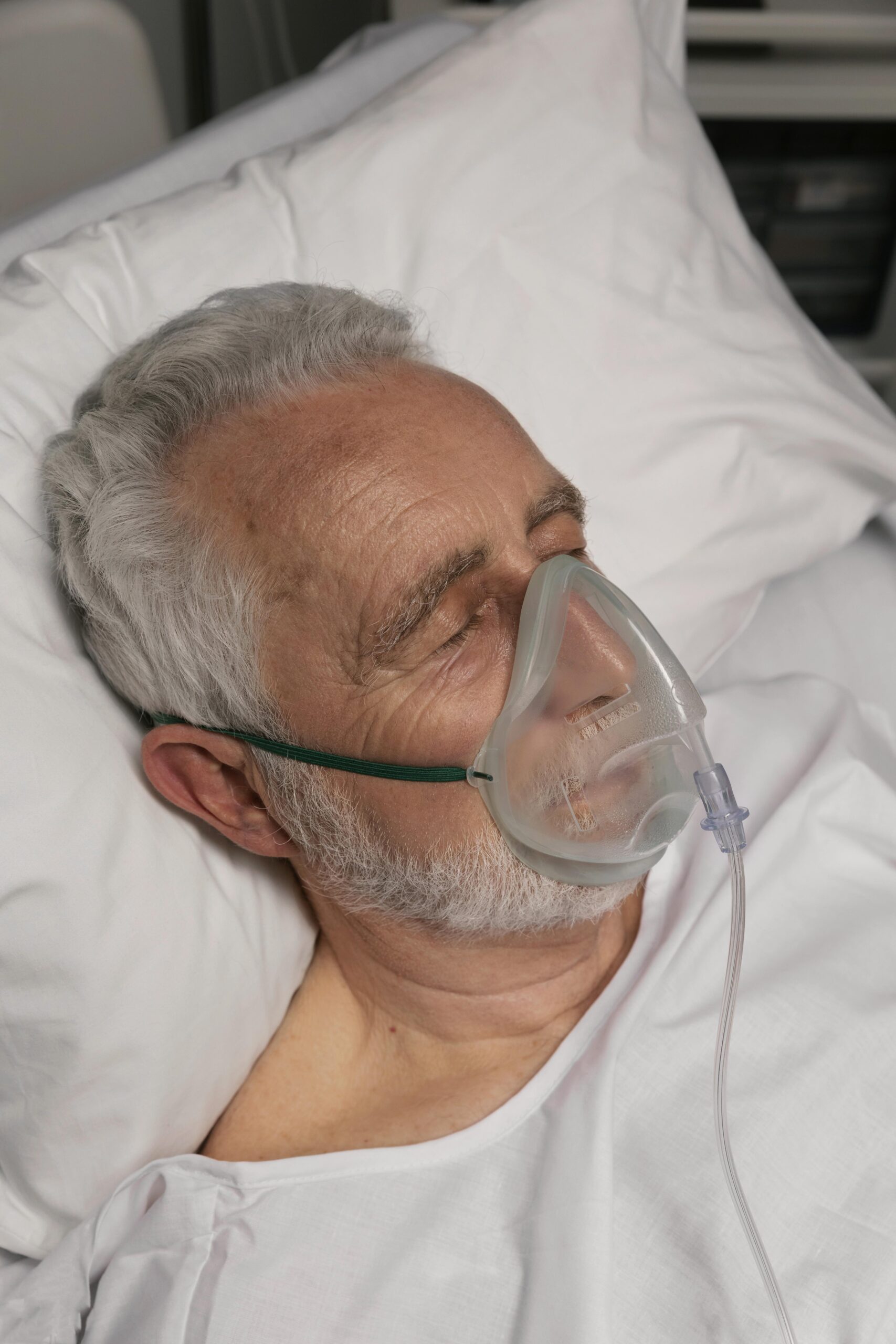
Ever wondered how a CPAP machine actually keeps your airway open while you sleep? Sleep apnea is a common but serious sleep disorder where your breathing repeatedly stops and starts during the night. It can lead to loud snoring, daytime fatigue, and even heart complications if left untreated.
Continuous Positive Airway Pressure (CPAP) therapy is the most effective and widely prescribed treatment. A CPAP machine works by sending gentle, pressurised air through a mask to prevent your airway from collapsing, keeping you breathing steadily all night long.
In this guide, we’ll explore how CPAP machines work, what they’re made of, the different types available, and how they’re used in special cases like pregnancy and infant care. You’ll also learn about access to trusted sleep apnea machines in South Africa, including our ResMed, Philips Respironics, and BMC options.
CPAP works by keeping your airway open with gentle, steady air pressure.
When you fall asleep, the muscles in your throat naturally relax. For people with obstructive sleep apnea (OSA), this can cause the airway to collapse, blocking airflow and reducing oxygen levels. CPAP (Continuous Positive Airway Pressure) therapy prevents this by maintaining a constant stream of air that acts like an invisible splint to hold your airway open.
By maintaining this continuous pressure, CPAP prevents both apneas (breathing pauses) and hypopneas (shallow breathing), helping users wake up more refreshed and alert.
A CPAP machine is a compact medical device that delivers continuous pressurised air through a mask to ensure unobstructed breathing during sleep. It’s used to treat sleep apnea, particularly the obstructive type, and can dramatically improve sleep quality, oxygenation, and overall health.
Most modern CPAP machines, like our new ResMed CPAP machines, feature smart sensors, digital displays, and quiet motors designed for home use.
How it works step-by-step:
Because air pressure settings are specific to each patient, a CPAP machine requires a prescription following a formal sleep study. Your healthcare provider will determine whether a fixed-pressure CPAP or an auto-adjusting model (APAP) suits your condition best.
Understanding your device makes it easier to use and maintain. Each CPAP machine includes several key components that work together to deliver effective therapy:
Pairing your machine with the right accessories can make a big difference. Explore our CPAP accessories and masks to improve comfort, reduce leaks, and personalise your therapy setup.
Not all sleep apnea machines work the same way. Different models are designed to suit different needs and comfort levels. Here’s a quick overview:
Fixed CPAP (Continuous Positive Airway Pressure)
Auto CPAP (APAP)
BiPAP (Bi-Level Positive Airway Pressure)
Each type provides effective therapy, but your doctor will help determine which option best suits your diagnosis, comfort, and lifestyle.
Infant CPAP is used for newborns or premature babies who have difficulty breathing due to underdeveloped lungs. While adult CPAP machines are designed for home use, infant CPAP is always administered and monitored in hospitals.
These systems use:
It’s a lifesaving form of respiratory support and differs significantly from at-home therapy for adults.
Sleep apnea can appear or worsen during pregnancy due to hormonal changes and weight gain. The good news? CPAP therapy is completely safe for pregnant individuals and often the most effective treatment.
Treatment options include:
Untreated sleep apnea during pregnancy can increase the risk of hypertension, preeclampsia, gestational diabetes, and reduced fetal growth. Using a properly fitted sleep apnea CPAP mask significantly improves both maternal and baby outcomes.
Some users experience mild heartburn or reflux when using CPAP. This can happen if excess air enters the stomach (a condition known as aerophagia).
Simple solutions include:
Ensuring your mask fits securely to reduce air leaks.
Avoiding large or acidic meals before bedtime.
Slightly elevating your head while sleeping.
If discomfort persists, your doctor can adjust your pressure settings or recommend using a humidifier. These mild side effects are manageable and rarely long-term.
Consistent CPAP use has life-changing benefits, including:
Keeping your airway open during sleep
Improving oxygen levels and sleep quality
Reducing loud snoring and daytime fatigue
Lowering heart disease and stroke risk
Enhancing focus, mood, and productivity
Compatibility with travel-friendly devices like the AirMini Portable CPAP
It’s normal to need time to adjust to your CPAP machine. Common challenges include dryness, noise, or discomfort.
Tips to overcome them:
Once diagnosed, your journey typically includes:
Many modern devices even allow remote monitoring to help ensure effective treatment.
In South Africa, CPAP machines are available through licensed medical suppliers like us! We stock leading global brands like ResMed, Philips Respironics, and BMC, along with CPAP accessories and portable oxygen concentrators in South Africa for those needing extra respiratory support.
CPAP therapy is effective, non-invasive, and adaptable for all life stages, from expectant mothers to long-term users. While minor side effects can occur, they’re easily managed with proper fitting and care.
If you suspect sleep apnea or need help finding the right device, explore our CPAP machine range or reach out for expert guidance today.