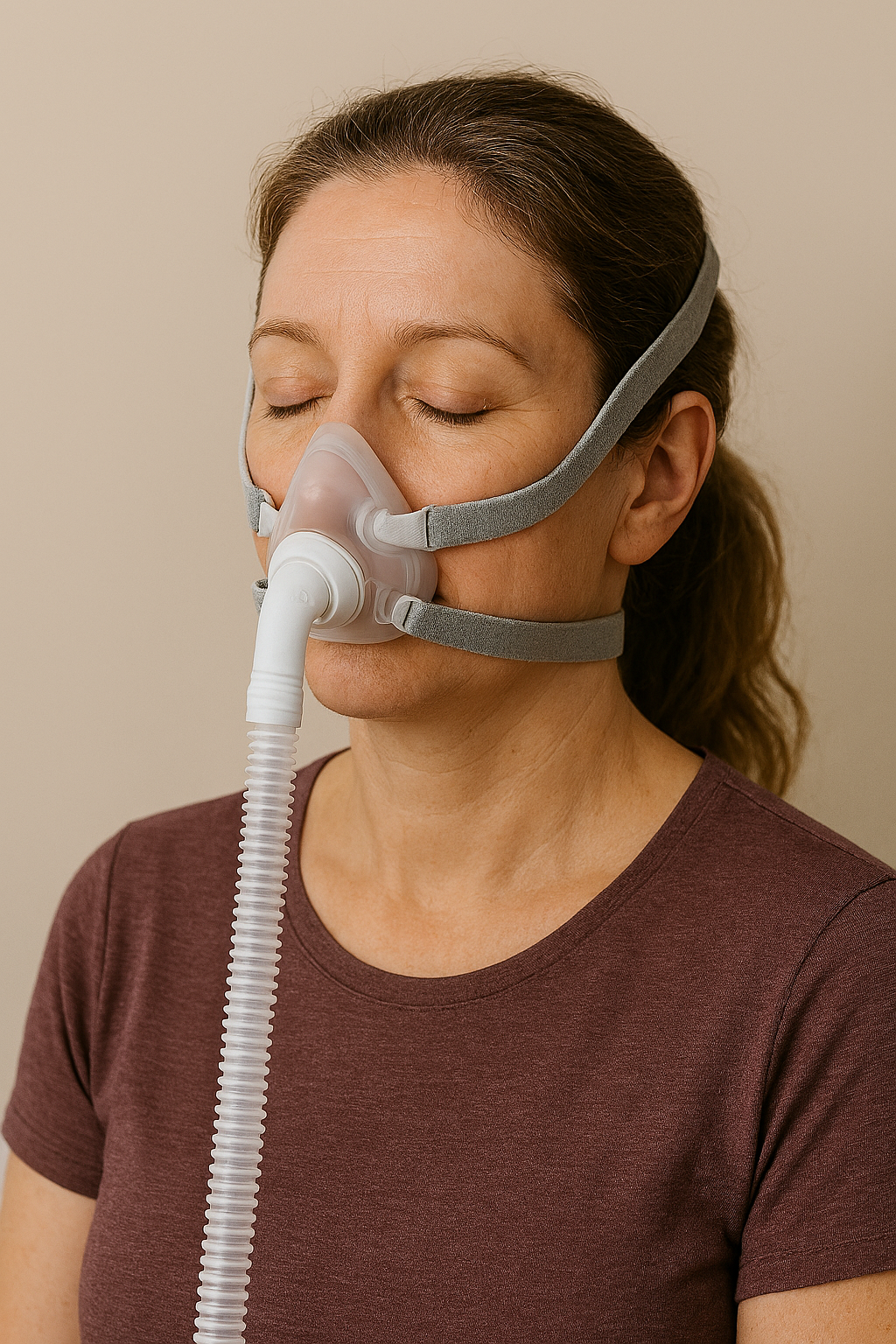
The Importance of Clean Equipment
Sleep apnea sufferers often ask whether a Continuous Positive Airway Pressure (CPAP) machine can make them ill and, if so, what symptoms they should look out for.
The answer is that while CPAP therapy is medically safe, dirty equipment can be detrimental to health.
For example, water chambers, masks, or tubing can harbour bacteria, mold, or allergens that cause respiratory infection, sinus problems, skin irritation, and allergy‑like symptoms.
Persistent CPAP symptoms may point to contaminated equipment, thus early recognition and prevention are crucial.
How Dirty or Poorly Maintained CPAP Machines Cause Symptoms
Microorganisms thrive when there is condensation in the inside tubing of a CPAP machine.
They multiply at a terrifying rate in warm, moist environments that occur when humidifier chambers and tubing are not cleaned regularly.
Once these bacteria and viruses are inhaled into the nose, throat, and lungs, the risk of respiratory infection rises.
Skin irritation can also occur due to a build-up of facial oils, sweat and bacteria in a mask.
What is important to note is that there is a difference between normal CPAP side effects and symptoms that reflect real illness.
Symptoms of Respiratory Illness Linked to a Dirty CPAP Machine
There are several symptoms that suggest illness may have arisen from a contaminated machine. These include:
Sinus congestion or runny nose
Sneezing and post‑nasal drip
Sore throat
Cough or persistent throat-clearing
Shortness of breath or chest tightness
Severe symptoms: bronchitis, pneumonia, lung irritation, inflammation
These can mimic common viral illnesses but may persist if the equipment remains in a poor state.
Skin‑Related Symptoms from CPAP Contamination
A mask can present a multitude of problems for the skin.
Since it sits directly against the skin all night, bacteria and debris can build up, presenting as redness, rashes or contact dermatitis.
Some people can even develop acne-like bumps when bacteria accumulate and, while rare, severe cases where bacteria multiply inside a dirty mask can cause Impetigo‑like infections.
Severe or Uncommon Symptoms That Require Urgent Attention
That some symptoms are rare does not mean they should be ignored.
If there is even the smallest sign of the following, you should seek a medical evaluation urgently.
High fever, chills, or intense fatigue can indicate a bacterial infection such as Staphylococcus pneumonia or Legionnaires’ disease.
Persistent chest pain or difficulty breathing may suggest advancing respiratory infection.
Neurological symptoms can arise from complications that relate to severe sinus infection (meningitis risk being one).
Symptoms That Are Not Illness but Common CPAP Side Effects
It is important to make the distinction between CPAP side effects and microbial-born ailments.
Having a dry nose, mouth, or throat due to airflow mechanics is not uncommon, nor are headaches from pressure settings.
The eyes may become irritated, but the cause can be traced to air leaks from masks, not germs.
Another CPAP side effect is Aerophagia, or air swallowing, which can lead to harmless bloating or gas.
These symptoms may not be pleasant, but they present no danger.
Why These Symptoms Develop: Key Risk Factors
There are several reasons CPAP users become ill.
Failure to clean masks, tubing, or humidifiers is the obvious one.
Another is using tap water instead of distilled water in the chamber, which can lead to microbial growth.
Thirdly, bacteria and mold-friendly condensation forms when humidity levels are set high without equipment drying completely.
Finally, risk is elevated when equipment is used beyond the replacement date.
How to Prevent CPAP‑Related Illness (Practical Guidance)
To diminish the risk of contracting CPAP-related sickness, medical professionals advise that:
Masks, tubing, and humidifiers must be cleaned regularly.
Equipment must dry completely.
Filters and disposable parts are replaced on schedule.
Only distilled water is used in the water chamber.
Masks must be fitted properly to prevent irritation.
When to See a Doctor
There can be no delay in seeing a doctor when symptoms persist.
If there is fever, chest tightness, or severe shortness of breath, or sinus or throat infections refuse to go away, it’s time to make that call.
This applies to the skin as well if there is prolonged irritation.
Final Takeaways
In summary:
Dirty equipment can cause respiratory and skin symptoms.
Most symptoms are mild if detected early.
Good hygiene dramatically lowers risk.
Proper maintenance should ensure CPAP therapy remains safe.
Not sure whether your symptoms are linked to your CPAP machine? Speak to a sleep specialist or healthcare provider today.