
Call Us
Call Us
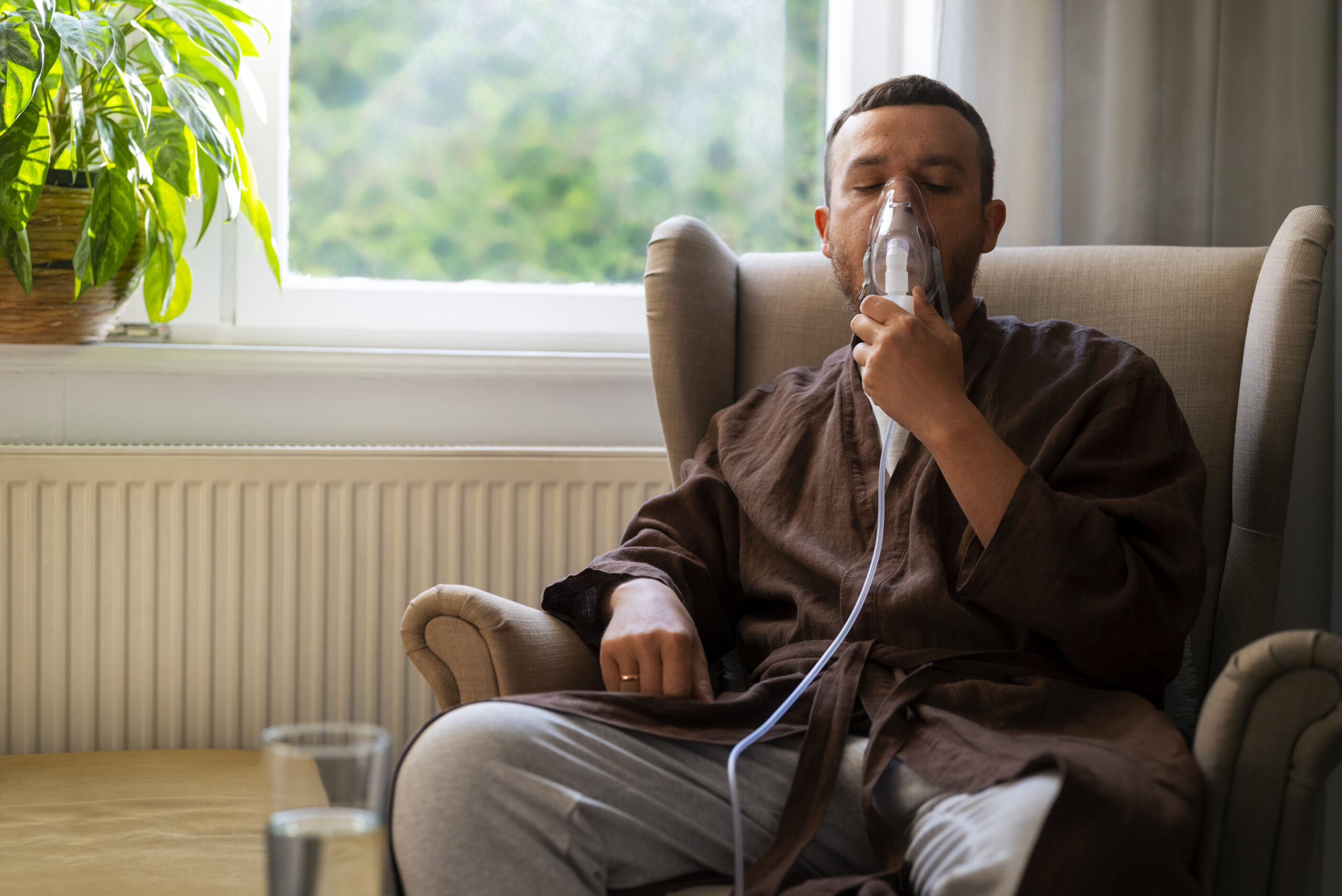
Oxygen therapy is a medical treatment that delivers supplemental oxygen to individuals whose blood oxygen levels are too low due to illness or injury. It’s a vital form of care for people living with chronic and acute respiratory conditions, helping them breathe easier, feel more energised, and maintain a better quality of life. Maintaining an oxygen level of above 90% is widely considered critical to ensure that the vital organs, brain, heart, kidneys, liver, and lungs, work efficiently and to ensure that other serious problems like heart disease and stroke do not occur.
In South Africa, the need for oxygen therapy has grown, particularly among those managing chronic obstructive pulmonary disease (COPD), long COVID, pulmonary fibrosis, and other breathing-related disorders. Whether administered in hospital or through convenient oxygen therapy at home, this treatment is playing an increasingly important role in respiratory healthcare.
In this article, we’ll explore what oxygen therapy is, how it works, its medical uses, and the types of equipment available, including oxygen concentrators and portable oxygen machines for breathing. We’ll also look at the benefits and potential risks, and guide you on when to speak to your doctor about starting medical oxygen treatment.
Oxygen therapy helps your body get the oxygen it needs when it can’t get enough on its own. Every cell in your body relies on a steady supply of oxygen to function properly. When that supply is interrupted (due to lung disease, heart failure, or another medical issue) oxygen therapy can help restore balance and improve your overall wellbeing.
Oxygen therapy for respiratory conditions is most commonly prescribed for people living with COPD (chronic obstructive pulmonary disease), asthma, pneumonia, pulmonary fibrosis, and in some cases, sleep apnea or recovery from COVID-19. It may also be used during or after surgery to support breathing.
There are two main methods for delivering oxygen: traditional oxygen cylinders and modern oxygen concentrators. While cylinders store compressed oxygen, concentrators extract and purify oxygen from the surrounding air, making them more convenient for home and mobile use. Whether delivered through a simple nasal cannula or a mask, an oxygen machine for breathing can be life-changing when used under the right medical guidance.
The uses of oxygen therapy extend well beyond emergency or hospital settings, for both acute and chronic respiratory conditions. Here are some of the most common applications:
Chronic respiratory illnesses like COPD, emphysema, and chronic bronchitis
Lung scarring disorders, including pulmonary fibrosis and cystic fibrosis
Severe asthma episodes or persistent breathlessness
Long COVID, where symptoms like fatigue and shortness of breath linger
Post-operative recovery, particularly after surgeries affecting the lungs or heart
Sleep disorders, such as sleep apnea (in specific cases)
In short-term situations, oxygen therapy may be used temporarily to stabilise a patient’s oxygen levels. In long-term care, especially at home, it helps improve day-to-day functioning and prevents complications linked to oxygen deprivation. In some cases, oxygen therapy is also used alongside CPAP machines or ventilators in hospital settings for patients with serious respiratory illness.
Oxygen is delivered directly into your lungs using a device called a nasal cannula (soft plastic tubes that fit into your nostrils), a face mask, or in more advanced cases, a full ventilation system. There are two main types of oxygen delivery systems:
Oxygen cylinders: These contain compressed oxygen in a tank and are often used in hospital settings or for short-term needs at home.
Oxygen concentrators: These are more modern and practical for everyday use. Rather than storing oxygen, they extract oxygen from the surrounding air, filter out nitrogen, and deliver a concentrated oxygen supply.
Portable oxygen concentrators are especially helpful for people who want the freedom to stay active and mobile while undergoing therapy. These battery-powered devices are compact and rechargeable, making them ideal for travel and everyday life.
Your doctor will determine how much oxygen you need using a pulse oximetry test or an arterial blood gas test. Based on your diagnosis, a healthcare professional will prescribe a specific flow rate (litres per minute) and usage schedule. This ensures that your medical oxygen treatment is safe, effective, and tailored to your condition.
At Fountain Circle Medical, we stock a wide range of high-quality oxygen machines, including portable oxygen concentrators, to support your treatment needs at home or on the go.
Oxygen therapy at home is now more accessible than ever. For many South Africans living with chronic lung conditions, home-based treatment provides a more comfortable and sustainable alternative to regular hospital visits.
Home oxygen therapy involves using a concentrator or oxygen cylinder to maintain healthy oxygen levels throughout the day or night. Patients typically receive their oxygen through a nasal cannula connected to the device, with some using a mask for higher flow rates. Portable devices allow for even greater flexibility. Some models even come with car adapters for use while driving.
Safety is key when using oxygen at home:
Never smoke or allow open flames near the machine.
Ensure good airflow and avoid placing the unit near heat sources.
Follow your doctor’s prescription and servicing schedule.
At Fountain Circle Medical, we offer nationwide delivery and expert advice to help you choose the right equipment for your lifestyle and medical needs.
Improved breathing and oxygen saturation
Reduced fatigue and shortness of breath
Enhanced sleep and daytime alertness
Better exercise tolerance and mobility
Boosted mood, mental clarity, and quality of life
For individuals living with respiratory conditions, oxygen therapy can make daily tasks like walking, talking, or climbing stairs more manageable. It helps the heart and lungs work more efficiently, reduces the strain on other organs, and can even prevent hospital readmissions in some cases.
With the right equipment and support, patients can maintain independence, stay socially active, and continue doing the things they enjoy. This is especially important for long-term users who rely on oxygen daily.
While oxygen therapy is generally safe, like any medical treatment, it comes with a few potential side effects, especially if used incorrectly or without guidance. Common issues include:
Dry or irritated nasal passages
Skin irritation around the cannula or mask
Mild headaches or fatigue (often due to incorrect flow rate)
Fire risk if used near open flames or smoking
It’s important to remember that medical oxygen treatment should always be prescribed and monitored by a qualified healthcare professional. Too much oxygen can be harmful, particularly for people with certain lung or heart conditions.
If you often feel short of breath, unusually tired, or struggle to recover from everyday activities, it may be time to speak to your doctor about oxygen therapy for respiratory conditions.
Symptoms worth discussing include:
Chronic fatigue or confusion
Difficulty breathing during rest or exertion
Blueish lips or fingertips
Waking up gasping or with morning headaches
Known respiratory conditions like COPD or interstitial lung disease
Your doctor may perform a pulse oximetry test or order arterial blood gas analysis to determine your blood oxygen levels. From there, they’ll assess whether oxygen therapy at home or in a clinical setting is appropriate, and help you determine the right type dosage.
Self-diagnosing or using someone else’s oxygen machine is not recommended. Oxygen is considered a drug, and like any medication, it requires medical supervision.
Whether you’re managing a chronic lung condition, recovering from surgery, or simply looking for a better quality of life, oxygen therapy can be a game-changer. By increasing oxygen levels in your bloodstream, this treatment supports your energy, sleep, mobility, and overall health.
As the demand for oxygen therapy in South Africa continues to grow, access to high-quality equipment is essential. At Fountain Circle Medical Suppliers, we’re proud to offer a range of oxygen concentrators, portable oxygen machines, and accessories, backed by expert advice and nationwide delivery.
Browse our product range or get in touch with one of our consultants today; we’re here to help you breathe easier.