
Call Us
Call Us
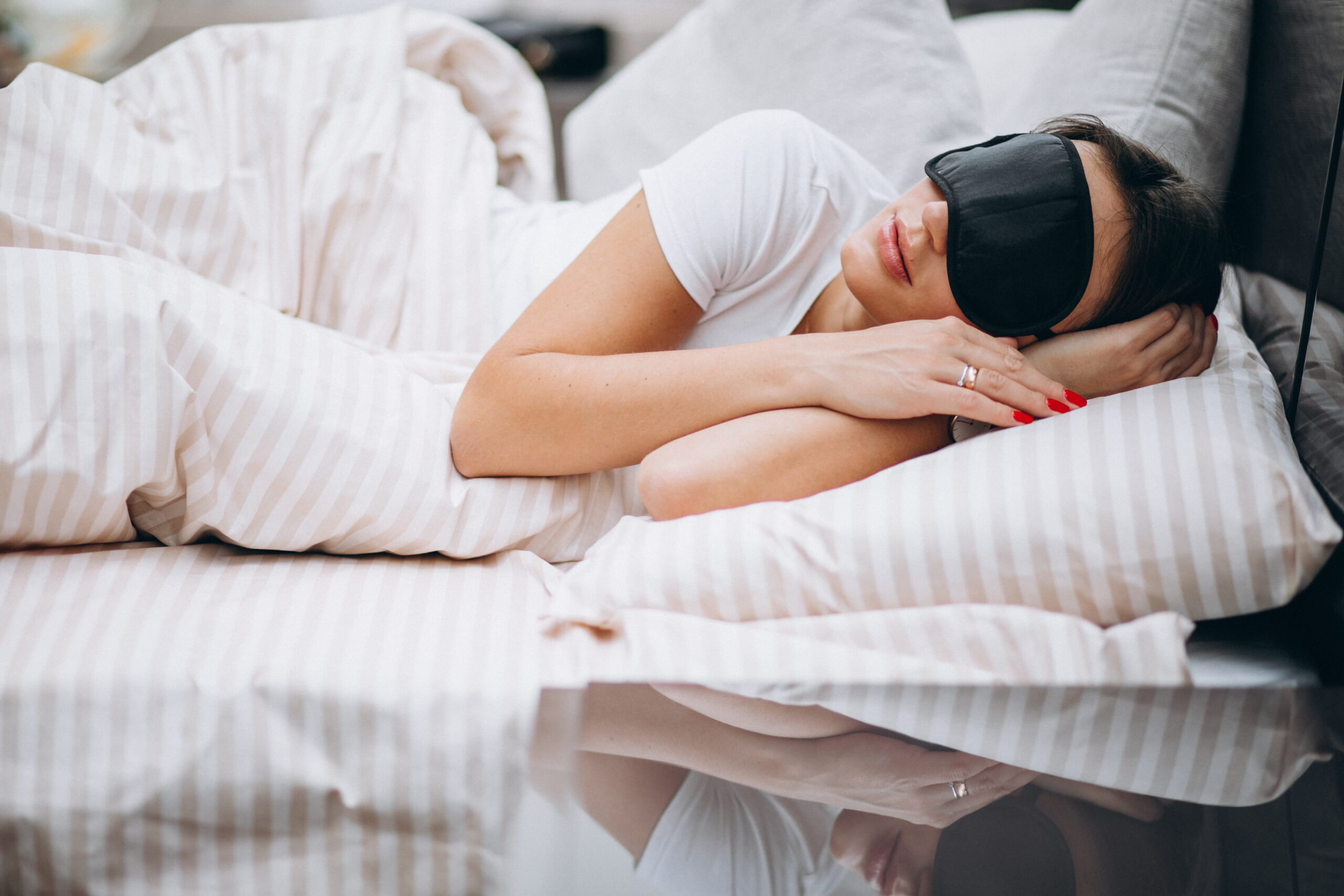
Struggling to stay alert during the day because your sleep is interrupted by apnoeas? Living with Obstructive Sleep Apnea (OSA) can feel challenging, but there’s good news: alongside medical devices like CPAP machines and masks, lifestyle habits can play a crucial role in improving sleep quality and overall health.
This guide will explore why lifestyle matters, daily habits to support restful sleep, how to optimise your sleep environment, nutrition and weight management strategies, managing sleep apnea during illness or travel, working with your care team, and common mistakes to avoid.
OSA occurs when the airway collapses or becomes restricted during sleep, causing oxygen levels to drop, sleep interruptions, and daytime fatigue. Left untreated, it can increase the risk of high blood pressure, cardiovascular disease, insulin resistance, and cognitive or mood problems.
Certain habits, such as excess weight, alcohol use, sleeping on your back, or poor sleep hygiene, can worsen airway collapse by relaxing airway muscles or increasing obstruction.
“Lifestyle habits do more than support your equipment, they reduce airway collapses and improve sleep quality with sleep apnea.”
While devices and therapies may be essential, incorporating supportive habits often reduces symptom severity and improves overall treatment outcomes.
Excess fat, especially around the neck and throat, increases the risk of airway obstruction. Here’s what you can do:
Aim for a healthy body-mass index (BMI).
Incorporate at least 150 minutes of aerobic exercise per week.
Include strength exercises to support respiratory and core muscles.
Tip: Even modest weight loss can reduce apnea episodes.
Pro Tip Box: “Even losing 5–10% of body weight can make a measurable difference in airway obstruction.”
Alcohol and sedatives relax throat muscles, increasing airway collapsibility. Smoking causes inflammation and swelling, worsening obstruction.
Actionable steps:
Avoid alcohol 3–4 hours before bed.
Seek support for quitting smoking.
Discuss any sedative use with your doctor.
Sleeping on your back often worsens airway collapse. Side-sleeping or elevating your head can help.
Use a side-sleeping pillow or positional device.
Elevate the head of your bed if needed.
Keep the bedroom dark, cool, quiet, and comfortable.
Consistent sleep/wake times, limiting caffeine late in the day, and reducing screen use before bed can support better sleep and reduce OSA severity.
Actionable steps:
Establish a pre-sleep wind-down routine (30–60 minutes).
Keep the bedroom environment consistent.
Limit electronic screen exposure before bed.
“Good sleep hygiene and consistent timing support restful sleep and reduce apnea disruptions.”
Diet can influence airway health and weight management:
Focus on whole foods, minimise processed sugar, and reduce excess calories if weight loss is a goal.
Avoid large fluid intake just before bed to prevent nighttime awakenings.
Maintain adequate hydration to support airway tissue function.
Tip Box: “Eat your largest meal at least 2–3 hours before bed; avoid heavy meals late at night.”
Many people with moderate to severe OSA will use a sleep apnea machine or CPAP mask. Lifestyle habits enhance device effectiveness.
Ensure regular device use and track hours of compliance.
Seek support for mask fitting and comfort issues.
Maintain regular cleaning to prevent infections and equipment problems.
During illness, airway swelling may worsen symptoms:
Use nasal decongestants if advised by your doctor.
Adjust mask pressure if recommended.
Clean equipment more frequently.
Travel tips:
Bring your CPAP or sleep apnea machine.
Maintain your routine and adjust to new time zones.
Ensure your sleeping environment is dark, cool, and quiet.
“During illness or travel, stick even more closely to your healthy-sleep habits to protect your airway and treatment progress.”
Regular follow-ups and monitoring ensure therapy effectiveness:
Conduct periodic device download checks or polysomnography as advised.
Watch for signs that therapy may need adjustment: excessive daytime sleepiness, weight changes, new medications, or altered sleep patterns.
Follow manufacturer guidelines and discuss lifestyle progress with your doctor.
Relying solely on a device and ignoring lifestyle habits.
Sleeping on your back without a positional strategy.
Eating heavy meals or drinking alcohol close to bedtime.
Skipping regular device reviews.
Set an alcohol-free window before bed.
Use a side-sleep pillow or positional device.
Schedule device review every 6–12 months.
How long does it take for lifestyle changes to affect sleep apnea symptoms?
Some habits, like sleep position or alcohol avoidance, can help immediately. Weight loss and broader lifestyle changes may take weeks to months, depending on the individual.
Can I stop using CPAP if I lose a lot of weight?
Possibly, under medical supervision. Lifestyle changes should continue, and device monitoring remains important.
Is there a “natural” way to treat sleep apnea without a device?
Lifestyle adjustments play a significant role, particularly in mild OSA. Moderate to severe cases usually require a medical device or therapy.
Can changing my diet alone cure sleep apnea?
No. Diet supports weight management and airway health but is only one part of a comprehensive plan.
Living well with sleep apnea means combining therapy, if needed, with consistent lifestyle habits. Proactive measures lead to better sleep, improved health, and enhanced day-to-day wellbeing. Start with one actionable habit today, avoid alcohol before bed or commit to 30 minutes of daily activity.
Consult with your sleep specialist or healthcare provider to develop a personalised plan tailored to your needs.
“Ready to enhance your sleep health and lifestyle? Explore our resources on sleep position strategies, CPAP comfort accessories and weight-management support for sleep-apnea patients.”