Complications of the Heart
Breathing pauses are often erroneously cited as the sole cause of sleep apnea death.
It is a misconception that has grown over time.
The fact is that most fatalities are not caused by the condition itself, but by the complications it triggers when left untreated.
Medical professionals point to cardiovascular issues, arrhythmias, and strokes as prime examples, but it is important to note that these difficulties can be prevented if sleep apnea is diagnosed early.
What Happens in the Body During Sleep Apnea?
When people ask, “What is sleep apnea?”, what they unknowingly are referring to is the condition in its most common form, obstructive sleep apnea (OSA).
OSA relates to the muscles in the throat relaxing during sleep and the airway collapsing or blocking as a result.
It presents as stop-start breathing, with any break in breathing decreasing oxygen levels in the blood. This places significant strain on the heart.
Because the body’s natural “fight-or-flight” response kicks in, there is an instant spike in blood pressure and heart rate.
If these episodes happen often, the risk of cardiovascular damage becomes far greater.
The Most Common Cause of Death in Sleep Apnea
Medical research shows that cardiovascular complications, specifically sudden cardiac death, heart attacks, and fatal arrhythmias, are the primary cause of fatalities.
The heart can be severely affected by repeated oxygen deprivation or electrical instability, where fatal arrhythmia can occur.
Increased likelihood of coronary artery disease can also significantly increase the risk of death.
Other Fatal Complications Linked to Untreated Sleep Apnea
Strokes
The risk of a stroke rises when there are repeated disruptions in oxygen supply, since this causes inflammation and blood pressure to increase. Studies show that people with untreated OSA suffer more strokes than those without it.
Heart Failure and Worsening Existing Cardiac Disease
A person who suffers from a failing heart, hypertension or coronary artery disease faces a higher mortality risk if OSA goes untreated.
Fatal Motor Vehicle Accidents
Untreated sleep apnea will lead to severe daytime fatigue that puts people driving in a drowsy state at risk of having a fatal car crash.
Metabolic Complications (Contributing Factor)
Obesity and Type-2 diabetes are linked to sleep apnea. When these conditions interact, they increase overall cardiovascular and mortality risk.
Risk Factors That Increase the Likelihood of Fatal Complications
There are numerous factors that can amplify mortality risk, especially when combined:
Warning Signs That Sleep Apnea Is Becoming Dangerous
Heightened fatality risk can be identified by the following symptoms:
Loud nightly snoring
Choking or gasping during sleep
Pauses in breathing reported by partner
Morning headaches
Daytime sleepiness
Difficulty concentrating
Mood changes
High blood pressure
Waking up breathless
Irregular heartbeat or palpitations
Many people suffering from sleep apnea do not even realise they have stopped breathing.
Accordingly, it is essential to seek an immediate diagnosis if presenting symptoms.
How CPAP and Other Treatments Reduce the Risk of Death
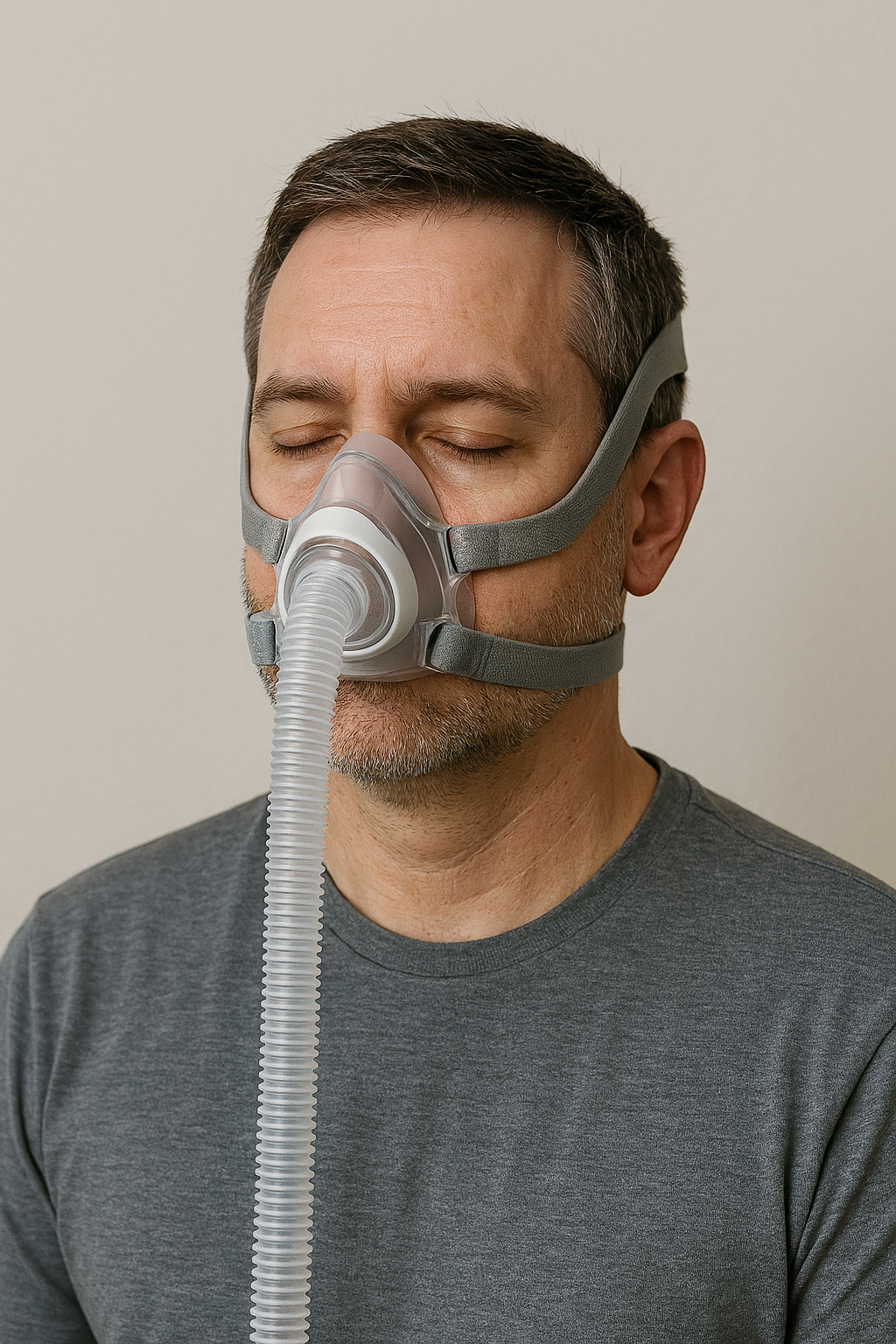
Continuous Positive Airway Pressure (CPAP) therapy keeps the airway open by delivering steady airflow through a mask when the person is asleep, preventing repeated oxygen drops and decreasing heart strain.
Effective CPAP treatment also improves daytime alertness.
Oral appliances, certain surgical procedures, and lifestyle changes such as weight loss and quitting smoking have proved to be effective alternative options.
When to See a Doctor (and What to Expect)
There is no such thing as “too soon”.
A professional evaluation drastically reduces the risk of a fatal outcome and people should speak to their healthcare provider immediately if they think they suffer from sleep apnea.
The diagnostic process usually involves a study of sleep, known as polysomnography, which measures breathing patterns, oxygen levels, heart rate, and sleep stages.
The study can be conducted in a sleep laboratory or at home upon approval.
Final Takeaways
In summary:
Sleep apnea raises the risk of death through heart-related complications.
Sudden cardiac death is the most common fatal outcome.
Strokes, motor vehicle accidents, and hypertension-related events are major risks.
Early diagnosis and CPAP therapy lower mortality risk.
Untreated sleep apnea should never be ignored.
If you are worried about the risks of sleep apnea, book a sleep study or speak to a specialist today!